Showing posts with label diseases. Show all posts

2 Dec 2011

Eating fish reduces risk of Alzheimer’s disease

People who eat baked or broiled fish on a weekly basis may be improving their brain health and reducing their risk of developing mild cognitive impairment (MCI) and Alzheimer’s disease, according to a study presented today at the annual meeting of the Radiological Society of North America (RSNA).
“This is the first study to establish a direct relationship between fish consumption, brain structure and Alzheimer’s risk,” said Cyrus Raji, M.D., Ph.D., from the University of Pittsburgh Medical Center and the University of Pittsburgh School of Medicine. “The results showed that people who consumed baked or broiled fish at least one time per week had better preservation of gray matter volume on MRI in brain areas at risk for Alzheimer’s disease.”

Alzheimer’s disease is an incurable, progressive brain disease that slowly destroys memory and cognitive skills. According to the National Institute on Aging, as many as 5.1 million Americans may have Alzheimer’s disease. In MCI, memory loss is present but to a lesser extent than in Alzheimer’s disease. People with MCI often go on to develop Alzheimer’s disease.

For the study, 260 cognitively normal individuals were selected from the Cardiovascular Health Study. Information on fish consumption was gathered using the National Cancer Institute Food Frequency Questionnaire. There were 163 patients who consumed fish on a weekly basis, and the majority ate fish one to four times per week. Each patient underwent 3-D volumetric MRI of the brain. Voxel-based morphometry, a brain mapping technique that measures gray matter volume, was used to model the relationship between weekly fish consumption at baseline and brain structure 10 years later. The data were then analyzed to determine if gray matter volume preservation associated with fish consumption reduced risk for Alzheimer’s disease. The study controlled for age, gender, education, race, obesity, physical activity, and the presence or absence of apolipoprotein E4 (ApoE4), a gene that increases the risk of developing Alzheimer’s.

Gray matter volume is crucial to brain health. When it remains higher, brain health is being maintained. Decreases in gray matter volume indicate that brain cells are shrinking.
The findings showed that consumption of baked or broiled fish on a weekly basis was positively associated with gray matter volumes in several areas of the brain. Greater hippocampal, posterior cingulate and orbital frontal cortex volumes in relation to fish consumption reduced the risk for five-year decline to MCI or Alzheimer’s by almost five-fold.

“Consuming baked or broiled fish promotes stronger neurons in the brain’s gray matter by making them larger and healthier,” Dr. Raji said. “This simple lifestyle choice increases the brain’s resistance to Alzheimer’s disease and lowers risk for the disorder.”
The results also demonstrated increased levels of cognition in people who ate baked or broiled fish.
“Working memory, which allows people to focus on tasks and commit information to short-term memory, is one of the most important cognitive domains,” Dr. Raji said. “Working memory is destroyed by Alzheimer’s disease. We found higher levels of working memory in people who ate baked or broiled fish on a weekly basis, even when accounting for other factors, such as education, age, gender and physical activity.”
Eating fried fish, on the other hand, was not shown to increase brain volume or protect against cognitive decline.
»»  read more

28 Nov 2011

An Egg a Day Raises Risk of Diabetes -Researchers

People who eat eggs every day may substantially increase their risk of type 2 diabetes, researchers here said.

Men with the highest level of egg consumption -- at seven or more per week -- were 58% more likely to develop type 2 diabetes than those who did not eat eggs, and women were 77% more likely to become diabetic if they ate at least an egg a day, Luc Djoussé, M.D., D.Sc., of Brigham and Women's Hospital and Harvard, and colleagues reported online in Diabetes Care.

Levels of egg intake above one a week also incrementally increased diabetes risk in both men and women (both P<0.0001 for trend), the researchers said.

Eggs are a major source of dietary cholesterol (about 200 mg per egg) and add about 1.5 g of saturated fat each to the diet, both of which would be expected to increase diabetes risk, they said.
Action Points

    Explain to interested patients that the average one-egg-a-week consumption was not associated with increased diabetes risk.

    Note that eggs may influence glucose metabolism primarily through their effect on cholesterol, although the researchers noted that the observational study could not determine the mechanism.

But each egg also contributes about 0.7 g of polyunsaturated fat, which may confer a lower risk of type 2 diabetes, the researchers noted.

The limited, primarily animal model, evidence for an effect of eggs or dietary cholesterol on glucose metabolism has been inconsistent, they added.

To sort out the effects, the researchers analyzed two large prospective trials that included food frequency questionnaires.

Their analysis included 20,703 male physicians without baseline diabetes from the Physicians' Health Study I (1982-2007) and 36,295 similarly diabetes-free female health professionals from the Women's Health Study (1992-2007).

Both studies were originally designed as randomized trials of vitamin supplementation and aspirin for prevention of heart disease.

Over a mean follow-up of 20.0 years in men and 11.7 years in women, 1,921 men and 2,112 women developed type 2 diabetes.

Diabetes was more common in men and women who reported eating more than the average one egg a week.

After adjustment for traditional diabetes risk factors and compared with no egg consumption at the 95% confidence interval, the hazard ratios for type 2 diabetes in men were:

    9% for less than one egg a week (hazard ratio 1.09, 0.87 to 1.37)
    9% for one egg a week (HR 1.09, 0.88 to 1.34)
    18% for two to four eggs a week (HR 1.18, 0.95 to 1.45)
    46% for five to six eggs per week (HR 1.46, 1.14 to 1.86)
    58% for seven or more eggs each week (HR 1.58, 1.25 to 2.01)

Updating egg consumption with longer follow-up among men strengthened the associations to an almost twofold risk for those in the near daily or higher intake groups (HR 1.77, 95% CI 1.39 to 2.26, and HR 1.99, 95% CI 1.23 to 3.23, respectively).

For women, the multivariate-adjusted risks, also at the 95% confidence interval, compared with no egg intake were:

    6% for less than one egg per week (HR 1.06, 0.92 to 1.22)
    -3% for one egg a week (HR 0.97, 0.83 to 1.12)
    19% for two to four eggs per week (HR 1.19, 1.03 to 1.38)
    18% for five to six eggs a week (HR 1.18, 0.88 to 1.58)
    77% for seven or more per week (HR 1.77, 1.28 to 2.43)

Data on dietary cholesterol available in the female health professional study showed higher diabetes risk with rising dietary cholesterol with hazard ratios increasing to 1.28 (95% CI 1.10 to 1.50) in the highest quintile (P<0.0001 for trend).

Adjustment for dietary cholesterol attenuated the association between diabetes and egg consumption, whereas saturated fat was not associated with type 2 diabetes and did not alter the diabetes-egg link.

The effects did not appear to be limited to those with high carbohydrate diets, hypercholesterolemia, or high body mass index.

However, the researchers acknowledged that the data did not include repeat fasting glucose, fasting insulin, and other biomarkers of glucose metabolism to "comprehensively examine possible physiologic mechanisms."

The observational studies may also have been limited by self-reporting and residual confounding, they noted.

The generalizablity may have been limited as well by the homogeneous, primarily Caucasian health professional population, which may have different behaviors than the general population, Dr. Djoussé's group said.

"Given the societal burden of type 2 diabetes," they concluded, "confirmation of these findings in other populations and exploration of possible underlying biological mechanisms are warranted."

The study was supported by grants from the National Cancer Institute and the National Heart, Lung, and Blood Institute.

Reviewed by Dori F. Zaleznik, MD; Associate Clinical Professor of Medicine, Harvard Medical School, Boston.    
(MedPage Today)
»»  read more

21 Nov 2011

Understanding Diseases/Narcolepsy

Narcolepsy is a sleep disorder that causes excessive sleepiness and frequent daytime sleep attacks.
Symptoms
*Periods of extreme drowsiness every 3 to 4 hours during the day. You may feel a strong urge to sleep, often followed by a short nap (sleep attack).
*These periods last for about 15 minutes each, although they can be longer.
*They often happen after eating, but may occur while driving, talking to someone, or during other situations.
*You wake up feeling refreshed.
*Dream-like hallucinations may occur during the stage between sleep and wakefulness. They involve seeing or hearing, and possibly other senses.
*Sleep paralysis is when you are unable to move when you first wake up. It may also happen when you first become drowsy.
*Cataplexy is a sudden loss of muscle tone while awake, resulting in the inability to move. Strong emotions, such as laughter or anger, will often bring on cataplexy.
 *Most attacks last for less than 30 seconds and can be missed.
 *Your head will suddenly fall forward, your jaw will become slack, and your knees will buckle.
 *In severe cases, a person may fall and stay paralyzed for as long as several minutes.

Causes & Risk Factors
Narcolepsy is a nervous system disorder, not a mental illness. Anxiety does not cause narcolepsy.
Experts believe that narcolepsy is caused by reduced amounts of a protein called hypocretin, which is made in the brain. What causes the brain to produce less of this protein is unclear.
Narcolepsy tends to run in families.
Conditions that cause insomnia, such as disrupted work schedules, can make narcolepsy worse.
Tests & Diagnostics
The doctor will perform a physical exam and order blood work to rule out conditions that can cause similar symptoms.
Conditions that can cause excessive sleepiness include:
    *  Insomnia and other sleep disorders
    *  Restless leg syndrome
    * Seizures
    * Sleep apnea
    * Other medical, psychiatric, or nervous system diseases
Other tests may include:
    * ECG (measures the heart's electrical activity)
    * EEG (brain activity measurements)
    * Monitoring of breathing
    * Genetic testing to look for narcolepsy gene
Tests will also include a sleep study (polysomnogram). The Multiple Sleep Latency Test (MSLT) may be used to help diagnose narcolepsy. This test measures how long it takes you to fall asleep during a daytime nap. Patients with narcolepsy fall asleep much faster than people without the condition.
Treatments
There is no known cure for narcolepsy. The goal of treatment is to control symptoms.
Lifestyle adjustments and learning to cope with the emotional and other effects of the disorder may help you function better in work and social activities.
This involves:
* Eating light or vegetarian meals during the day and avoiding heavy meals before important
   activities
* Scheduling a brief nap (10 to 15 minutes) after meals, if possible
* Planning naps to control daytime sleep and reduce the number of unplanned, sudden sleep
   attacks
* Informing teachers and supervisors about the condition so you are not punished for being
   "lazy" at school or work

You may need to take prescription medications. The stimulant drug modafinil (Provigil) is the first choice of treatment for narcolepsy. It is much less likely to be abused than other stimulants. The medicine also helps you stay awake. Other stimulants include dextroamphetamine (Dexedrine, DextroStat) and methylphenidate (Ritalin). Antidepressant medications can help reduce episodes of cataplexy, sleep paralysis, and hallucinations.
Antidepressants include:
*Selective serotonin reuptake inhibitors (SSRIs) such as fluoxetine, paroxetine, sertraline, and venlafaxine
*Tricyclic antidepressants such as protriptyline clomipramine, imipramine, and desipramine
*Sodium oxybate (Xyrem) is prescribed to certain patients for use at night.

If you have narcolepsy, you may have driving restrictions. Restrictions vary from state to state.
Complications
    * Injuries and accidents, if attacks occur during activities
    * Impairment of functioning at work
    * Impairment of social activities
    * Side effects of medications used to treat the disorder
Prevention
There is no known way to prevent narcolepsy. Treatment may reduce the number of attacks. Avoid situations that aggravate the condition if you are prone to attacks of narcolepsy.
----------------------------------------------------------------------------------------------------
»»  read more

28 Oct 2011

Colon Cancer And Polyps: What You Need To Know

It would surprise many to learn that colon cancer is the third leading cause of death by cancer in American men. Over the past 10 years, more than 600,000 people have succumbed to this highly preventable and treatable cancer, and over 1.5 million have been diagnosed.
Colon cancer, sometimes referred to as colorectal cancer, usually starts as slow-growing precancerous polyps, a term used to describe bumps on the surface of the colon. Virtually all colon cancers begin with these growths. When found early, colon cancer is approximately 90% treatable.
Colon cancer risk factors
The lifetime risk for developing colon cancer is 1-in-18 and over 90% of these cases occur after the age 50. Increasing age, a family history of colon polyps, colon cancer or other early cancers can double or triple your risk for developing this disease. If any of these risk factors run in your family, you need to start the discussion about screening at age 40 or even earlier depending on when your family members were diagnosed.
Persons with ulcerative colitis, Crohn’s disease or a personal history of cancer are also at increased risk for colon cancer and need to tailor regular, more frequent colonoscopies.
Studies also indicate that diet and smoking may increase the risk of developing colon polyps and colon cancer.
While family history and other risk factors matter, not having risk factors does not eliminate your need for screenings.
What polyps tell us
As we age, about 1-in-4 of us develop polyps in our colon and about 10% of these polyps eventually turn from a benign growth into colon cancer. For the most part, these polyps take about 10 years to transform into colon cancer.
Polyps and early colon cancers often have no symptoms and can be detected only by screening exams.
How can colon cancer best be prevented?
There are several effective ways to reduce your colon cancer risk, but none more important than getting timely screenings and removing polyps before they become malignant.
Refraining from smoking, maintaining healthy weight and regular exercise, managing normal body levels of nutrients, especially vitamin D also appear to lower risk factors. Diets high in fiber are good for you, but have not been definitively shown to reduce colon cancer risk.
What are the symptoms of colon cancer?
Symptoms usually occur once tumors are advanced and causing obstruction or if the cancer has spread beyond the colon there may be rectal bleeding, anemia, abdominal pain, a change in bowel habits (constipation or diarrhea), unexplained weight loss, loss of appetite, recurrent fevers, unexplained nausea or vomiting, or fatigue.
However, colon cancer symptoms overlap greatly with other digestive conditions. Many times, especially in younger patients, symptoms are attributed to hemorrhoids or irritable bowel syndrome. Seven percent of colon cancers occur in people in their 40 and 3% under the age of 40. It’s important to take any of these symptoms seriously and request an evaluation.
If you experience any of these symptoms, until you are fully examined, no one -- not even a physician -- can definitively tell you the cause.
What are colon cancer screening options?
There are multiple screening options available that can often be confusing for the patient. For anyone at high risk for colon cancer, colonoscopy is the only recommended strategy.
Colonoscopy: Your physician will examine the inside of your colon and rectum using a long, lighted tube called a colonoscope, and removes any polyps found.
Virtual colonoscopy (CT scan colonoscopy): Images of the colon and rectum are taken using computerized tomography (CT). A computer puts the images together to create an animated, three-dimensional view. If abnormalities are detected, a colonoscopy is necessary.
Double contrast barium enema: The patient is given an enema with barium followed by air. The air pushes the barium against the walls of the colon in order to better visualize potential problems, such as polyps or tumors. If the test is abnormal, a colonoscopy is necessary.
Sigmoidoscopy: The doctor will examine the rectum and only the lower portion of the colon with a lighted tube. Where polyps are found, the doctor removes them.
Only a colonoscopy allows for both identification and removal of colon polyps throughout the entire colon and rectum. All other screening options require bowel prep, and if positive, will require a colonoscopy for confirmation and polyp removal.
For average-risk individuals, colonoscopy is recommended once every 10 years starting at age 50, and for African Americans, several societies recommend to start screening at age 45. Higher levels of risk require more frequent testing intervals and if polyps are found, follow-up surveillance with colonoscopy is recommended every five years. For more detailed screening information, visit ColonCancerPreventionProject.org.
if colonoscopy is not for you
Stool can be analyzed for evidence of bleeding or genetic abnormalities associated with colon cancer or large polyps. These tests are not designed to detect small- or medium-size polyps in their earliest stages. In order for these to effectively reduce colon cancer death rates, they must be repeated on an annual basis. When followed carefully, stool testing allows for intervention and detection of colon cancer at early stages leading to higher survival rates.
As you choose between the various types of testing, the best screening test is the one you will complete.


»»  read more

26 Sept 2011

Health/Colon Cancer and Polyps: What You Need to Know

CREDIT | Askmen.com
It would surprise many to learn that colon cancer is the third leading cause of death by cancer in American men. Over the past 10 years, more than 600,000 people have succumbed to this highly preventable and treatable cancer, and over 1.5 million have been diagnosed.
Colon cancer, sometimes referred to as colorectal cancer, usually starts as slow-growing precancerous polyps, a term used to describe bumps on the surface of the colon. Virtually all colon cancers begin with these growths. When found early, colon cancer is approximately 90% treatable.
Colon cancer risk factors
The lifetime risk for developing colon cancer is 1-in-18 and over 90% of these cases occur after the age 50. Increasing age, a family history of colon polyps, colon cancer or other early cancers can double or triple your risk for developing this disease. If any of these risk factors run in your family, you need to start the discussion about screening at age 40 or even earlier depending on when your family members were diagnosed.

Persons with ulcerative colitis, Crohn’s disease or a personal history of cancer are also at increased risk for colon cancer and need to tailor regular, more frequent colonoscopies.
Studies also indicate that diet and smoking may increase the risk of developing colon polyps and colon cancer.
While family history and other risk factors matter, not having risk factors does not eliminate your need for screenings.
What polyps tell us
As we age, about 1-in-4 of us develop polyps in our colon and about 10% of these polyps eventually turn from a benign growth into colon cancer. For the most part, these polyps take about 10 years to transform into colon cancer.
Polyps and early colon cancers often have no symptoms and can be detected only by screening exams.
How can colon cancer best be prevented?
There are several effective ways to reduce your colon cancer risk, but none more important than getting timely screenings and removing polyps before they become malignant.
Refraining from smoking, maintaining healthy weight and regular exercise, managing normal body levels of nutrients, especially vitamin D also appear to lower risk factors. Diets high in fiber are good for you, but have not been definitively shown to reduce colon cancer risk.
What are the symptoms of colon cancer?
Symptoms usually occur once tumors are advanced and causing obstruction or if the cancer has spread beyond the colon there may be rectal bleeding, anemia, abdominal pain, a change in bowel habits (constipation or diarrhea), unexplained weight loss, loss of appetite, recurrent fevers, unexplained nausea or vomiting, or fatigue.
However, colon cancer symptoms overlap greatly with other digestive conditions. Many times, especially in younger patients, symptoms are attributed to hemorrhoids or irritable bowel syndrome. Seven percent of colon cancers occur in people in their 40 and 3% under the age of 40. It’s important to take any of these symptoms seriously and request an evaluation.
If you experience any of these symptoms, until you are fully examined, no one -- not even a physician -- can definitively tell you the cause.

What are colon cancer screening options?
There are multiple screening options available that can often be confusing for the patient. For anyone at high risk for colon cancer, colonoscopy is the only recommended strategy.
Colonoscopy: Your physician will examine the inside of your colon and rectum using a long, lighted tube called a colonoscope, and removes any polyps found.
Virtual colonoscopy (CT scan colonoscopy): Images of the colon and rectum are taken using computerized tomography (CT). A computer puts the images together to create an animated, three-dimensional view. If abnormalities are detected, a colonoscopy is necessary.
Double contrast barium enema: The patient is given an enema with barium followed by air. The air pushes the barium against the walls of the colon in order to better visualize potential problems, such as polyps or tumors. If the test is abnormal, a colonoscopy is necessary.
Sigmoidoscopy: The doctor will examine the rectum and only the lower portion of the colon with a lighted tube. Where polyps are found, the doctor removes them.
Only a colonoscopy allows for both identification and removal of colon polyps throughout the entire colon and rectum. All other screening options require bowel prep, and if positive, will require a colonoscopy for confirmation and polyp removal.
For average-risk individuals, colonoscopy is recommended once every 10 years starting at age 50, and for African Americans, several societies recommend to start screening at age 45. Higher levels of risk require more frequent testing intervals and if polyps are found, follow-up surveillance with colonoscopy is recommended every five years.
Stool can be analyzed for evidence of bleeding or genetic abnormalities associated with colon cancer or large polyps. These tests are not designed to detect small- or medium-size polyps in their earliest stages. In order for these to effectively reduce colon cancer death rates, they must be repeated on an annual basis. When followed carefully, stool testing allows for intervention and detection of colon cancer at early stages leading to higher survival rates.
As you choose between the various types of testing, the best screening test is the one you will complete.
»»  read more

25 Sept 2011

Understanding Alzheimer’s Disease

Image Credit : iStockphoto.com
By now, everyone is familiar with Alzheimer’s Disease (AD), a progressive disease of the brain that causes thinking and memory to become seriously impaired. However, despite the awareness of Alzheimer’s, the disease is still a little misunderstood.
More than just memory loss
In the early stages, the disease manifests as nothing more than mild forgetfulness, a problem that most people shrug off as a natural (and at times almost humorous) consequence of growing old. Soon, however, a person’s ability to understand, think and even communicate is affected. Behaviors may change and so too may emotions and mood. Topping it off, physical coordination and mobility may suffer, affecting an individual’s ability to perform even the simplest of daily tasks. The result can place a ton of pressure on the affected person’s family or caregiver.
Family burden -- the unseen
As many as 5.3 million people in the United States are currently living with Alzheimer’s. With more than 95% of those with AD being 65 or older, round-the-clock care is almost a necessity nowadays. This type of care, however, translates into one of two things, and more often both: stress and money.

The average lifetime cost of caring for someone with AD is $174,000. Broken down by year, this can amount to anywhere from $18,000 to upwards of $36,000, depending on the severity of symptoms. While the health care system will absorb some of these costs, look to the family to foot about 75% of that bill. But there’s more than just cold hard cash to consider when caring for someone with Alzheimer’s --  there’s stress, there’s tension, there’s conflict, and more. These are the unseen consequences of mental disease.
What to expect
While the burden of Alzheimer’s remains largely unseen, having a grasp on what to expect can go a long way toward lessening the impact of this disease.

Although early symptoms are manageable, as the disease progresses activities that most of us can easily perform on a day-to-day basis may become challenging to an AD patient. Daily tasks like bathing, dressing, eating, going to the bathroom, and falling asleep may require assistance. Even simple visits of someone with Alzheimer’s can quickly become a nightmare. Just imagine how you would feel having a loved one be unable to recognize who you are. It’s not just forgetfulness --- hostility, confusion and even hallucinations or delusions can afflict the typical patient.

Moving beyond issues regarding simple care, difficult decisions will undoubtedly creep to the forefront. Case in point: driving. At some point, the decision will need to be made that someone with AD can no longer drive; such a decision will likely fall on the shoulders of the family. Times like these will require communication, planning and honesty to prevent a meltdown.   

For many caregivers, however, there comes a point when they are no longer able to take care of loved ones at home. Choosing the best residential or nursing home then becomes a priority -- a decision that no one enjoys.
Despite the somewhat gloomy outlook portrayed above, with each passing day, hope for a cure becomes stronger.
Future cure?
A while back, AM introduced you to the notion that there may soon be treatments that will actually reverse the disease progression of AD as opposed to merely delaying the onset of symptoms like current treatments do. In the next five to seven years we may even see a vaccine. Yep, that’s right, a vaccine for Alzheimer’s. Given the current advancements in brain research and the speed at which this field of research is progressing, AD may one day be a thing of the past.

Since AD is a commonly occurring disease, thankfully there are a ton of resources online. If a loved one is diagnosed with Alzheimer’s, be sure to do some upfront research. Keep the family calm and willing to share responsibilities if in fact you choose to care for the affected person at home.

SOURCE :  ASKMEN.COM
»»  read more

17 Sept 2011

Understanding Diseases/Glossopharyngeal Neuralgia

Glossopharyngeal neuralgia is thought to be caused by itchiness of the 9th cranial nerve. Symptoms commonly begin in people above forty years of age. In most cases, the actual reason for the discomfort isn't discovered. Certain factors could be tumors or contamination within the throat and mouth area, compression of the glossopharyngeal nerve by nearby arteries, and various lesions in the base of the skull.
causes
  • Blood vessels pressing on the glossopharyngeal nerve
  • Abnormal growths at the base of the skull pressing on the glossopharyngeal nerve.
  • Tumors or infections of the throat and mouth pressing on the glossopharyngeal nerve.
Symptoms
Symptoms incorporate extreme pain in regions associated to the ninth cranial nerve:
Backside of the nose and throat (nasopharynx) , Back of the tongue , Ear,  Throat,  Tonsil area, Voice box (larynx)
Often the pain appears in episodes and may be intense. It is generally on one particular part, and seems jabbing. The episodes can take place a lot of occasions every day, and wake up the particular person from sleep.
This can occasionally be initiated by:
Eating ,  Coughing , Having a laugh , Talking , Swallowing
Examinations and Tests
Tests will certainly be carried out to identify problems, such as tumors, at the base of the skull. Tests could include:
  • Blood checks (sugar level) to look for the reasons of neural injury
  • CT scan of the brain
  • MRI of the head
  • X-rays of the brain or neck
  • At times the MRI may show inflammation (swelling) of the glossopharyngeal nerve.
To find out whether a blood vessel is pushing on the nerve, photographs of the brain arteries may be taken using:
  • Magnetic resonance angiography (MRA)
  • X-rays of the arteries with a dye (conventional angiography)
The goal of remedy is to handle pain. Over-the-counter painkillers such as aspirin and acetaminophen (Tylenol) are not pretty effective for minimizing glossopharyngeal neuralgia.
Cure
The most efficient drugs are antiseizure medications, like as carbamazepine, gabapentin, and phenytoin. Some anti-depressants, such as amitriptyline or nortriptyline, may help out certain people.

In critical scenarios, when pain is difficult to handle, surgical treatment to take pressure off the glossopharyngeal nerve may be necessary. Or, the nerve can be cut (rhizotomy). Both surgeries are normally considered successful. If a cause of the neuralgia is found, therapy should handle the underlying problem.
People with Glossopharyngeal Neuralgia Disease should not loose their heart rather they should join Glossopharyngeal Neuralgia support group where he/she can learn many things from different discussions.
»»  read more

30 Aug 2011

Understanding Diseases/ Mesolthamia

Mesothelioma also commonly referred to as malignant mesothelioma, is an odd type of cancer which grows in the protective lining which shells most of the body's inner organs, the mesothelium. The cancer is as a result of exposure to asbestos.
The cancer usually develops on the pleura (i.e. the exterior lining of the lungs as well as interior chest barrier). Nonetheless, the cancer can also grow in the peritoneum (the coating of the abdominal cavity), the tunica vaginalis (a bag which environs the testis) or the pericardium (i.e. the pouch which surrounds the heart).
A majority of individuals who acquire mesothelioma have at one point in their lives worked on professions where they breathed in asbestos as well as glass specks, or were exposed to asbestos dust along with fiber by other means. It has also been shown that cleaning the garments of family members who worked with asbestos can put the person doing the laundry at risk of suffering from mesothelioma. While it is true that smoking can enhance one's chances of suffering from other types of asbestos-stimulated cancers, there is no medical proof to show that there is a link between mesothelioma and smoking. Individuals who have been subjected to asbestos have already accumulated harm for asbestos-related illnesses which include mesothelioma. Payments from asbestos funds or litigation are a critical matter in law practices concerning mesothelioma.
The signs that someone is suffering from malignant mesothelioma consist of shortness of breath as a result of pleural effusion (i.e. the fluid in-between the lung and chest barrier) or chest barrier pain, on top of general signs, for example, weight loss. 
The diagnosis can be identified with chest x-rays coupled with CT scan, and is verified with a biopsy (tissue test) on top of microscopic analysis. A thoracoscopy (this is where a tube with a camera is inserted into the chest) can be utilized to get biopsies. It enables the insertion of substances, for instance, talc to destroy the pleural space (known as pleurodesis), that deters more fluid from gathering and surging on the lung. In spite of therapy with chemotherapy, radiation and at times surgery, the mesothelioma has a bleak prognosis. Studies regarding screening examinations for the early prognosis of mesothelioma are still going on.
Signs and Symptoms
The signs and symptoms of mesothelioma might not show until twenty or fifty years after the initial exposure to asbestos. Shortness of breath, coughing and aches in the chest, as a result of gathering of fluid in the pleural space, are some of the most common signs of pleural mesothelioma.
Signs of peritoneal mesothelioma are weight loss, intestinal swelling along with aches as a result of ascites (this refers to accumulation of fluid in the intestinal cavity). Other signs of peritoneal mesothelioma might include bowel blockade, anemia, blood clotting irregularities as well as fever. In case the cancer has spread further than the mesothelium to other areas of the body, signs might be aches, issues with ingesting, or swelling of neck or face.
These signs might be triggered by mesothelioma or by other disorders that are less grave.
Mesothelioma which touches on the pleura can create the following signs and symptoms:
- Chest barrier aches.
- Coughing, wheezing and hoarseness.
- Exhaustion or anemia.
- Difficulties in breathing.
- Pleural effusion (i.e. fluids which environs the lung).
- Traces of blood in the sputum coughed out.
In acute cases, the individual might have numerous tumor heaps. The person might also develop a pneumothorax (collapsing of the lung). Over time, the illness can metastasize or spread to other areas of the body.
Tumors which affect the intestinal cavity frequently do not trigger signs till they are at a later stage. The signs and symptoms might include:
- Intestinal aches.
- Weight loss.
- Issues with bowel movements.
- A load in the abdomen.
- Uncharacteristic accumulation of fluid in the belly.
In acute cases of illness, the following signs and symptoms might show:
- Acute ascites.
- Low blood sugar level.
- Pleural effusion.
- Clotting of the blood in the veins which may in turn trigger thrombophlebitis.
- Disseminated intravascular coagulation. In a layman's term, this refers to a condition resulting in acute bleeding in numerous body organs.
- Jaundice. This refers to the yellowing of the eyes as well as the skin.
- Clotting of the blood in the arteries of the lungs.
Unlike other types of cancers, mesothelioma does not normally invade the brain, adrenal glands or the bone. Pleural tumors are normally located on one side of the lungs.
What causes mesothelioma?
The main cause of mesothelioma is exposure to asbestos. In the U.S., asbestos is the main cause of malignant mesothelioma and is regarded as "incontrovertibly" related to the growth of mesothelioma.
»»  read more

27 Aug 2011

Understanding Diseases/Rheumatoid Arthritis

Rheumatoid arthritis an inflammatory disease that can start at an early age (from age 20) and whose cause is unknown.  
Their main target is the synovial tissue (covers or "lining" to the joint), suffers from the 1% of the population and can lead to disability and major limitation if not diagnosed or treated. 
Chronic joint disease characterized by involvement of muscles, tendons and cartilage. Sometimes the eyes and blood vessels are affected. It is three times more common in women than in men, aged between 20 and 60, with a point of greatest incidence between 35 and 45.
CAUSE
Unknown, but probably autoimmune origin.
SYMPTOMS
The most characteristic symptoms are: redness, pain, heat and hardening and deformation of any of the joints of the hands, hips, elbows, feet or knees, so symmetrical, starting with the small joints of the hands. Tenths of temperature. Numbness morning of the joints, which is yielding to the activity. nodules under the skin and joint deformities, Fatigue.
RISK FACTORS
Personal or family history of rheumatoid arthritis or other autoimmune diseases.
Women between 20-50 years.
PREVENTION
There are no concrete measures, ignoring the root cause.
DIAGNOSIS AND TREATMENT
Diagnostic blood tests. Radiology. Arthroscopy with biopsy in exceptional cases. Treatment gloves to keep the heat at night. Treating pain with dry or moist heat. Hard mattress or placing a board over the mattress (or mattress sheets or known "bodyguard.") Exercise bound, unless there is low-grade fever, then to rest until they drop. Physical therapy can help improve the condition. Sleeping 10-12 hours and not getting too tired. Medication non-steroidal anti-inflammatory drugs, aspirin and other salicylates, gold salts and immunosuppressive provided by prescription and under close medical supervision, the side effects of these drugs. Cortisone is effective for short periods to relieve pain, but causes more side effects and does not prevent the degeneration of the joints.
Regarding the best time to go to consultation by a joint problem, recommended when:
Muscle pain or arthritis in a sudden and intense back or other joints, and prevent the development of normal activities.
There is discomfort in joints still being tolerable persists for long periods of time (weeks or months), or progressively more intense and limiting (when pain prevents feet or knees down stairs, for example).
Joint inflammation appears with other complaints, including fever, malaise, fatigue, hair loss, skin sensitivity to sun and dry eyes or mouth.
They have problems with arthritis or discomfort in muscles or skeleton only controlled with medication and have not been assessed recently by a specialist.
The results of any lab tests suggest a rheumatic disease, which has not led therapy.
A woman at age close to menopause or after it has received attention and surveillance to monitor the health of your bones and joints.
POSSIBLE COMPLICATIONS
Impaired vision.
Deformities permanent limbs.
Digestive problems by medication.
The disease can be mild or severe.
It is incurable, but the decrease in pain and disability prevention may be possible with early diagnosis and appropriate treatment.
75% of patients on a very considerable improvement. 5-10% does not despite it.
»»  read more

25 Aug 2011

Understanding Diseases/Varicose Veins

Whether you have been diagnosed with varicose veins or not, you've probably heard of them before, and you probably have an idea of what they look like. If you have or think you might have them, here is some information that we hope can help you decide whether or not you should seek treatment.
What Causes Them?
Varicose veins are characterized by weakened veins that are close to the surface of the skin. They tend to be stretched which is what causes them to be weaker than a normal vein. This occurs when blood pools within a vein due to damaged or malfunctioning valves within the veins themselves. When the blood pools, the vein is forced to expand, stretching and weakening the walls of the vein.

Symptoms
There are both visible and non-visible symptoms of varicose veins. If you have them, you may notice your legs feeling achy and heavy after standing or restless when lying down. You also may notice that the skin over your veins is abnormal colored or shiny, and you may experience swollen, itchy, and painful ankles or feet. Injuries to them tend to bleed more than normal as well.

Diagnosis
While they can usually be diagnosed by a simple physical examination, there are also a number of tests that may be done. The Trendelenburg Test requires you to raise your leg to the level of your heart allowing excess blood to leave your leg. Once you stand up, your doctor will watch your legs for varicose veins as they will become visible almost immediately as the blood rushes back to your legs. Another test uses a tourniquet to stop the blood flow to the leg and then uses the same procedure. In addition, ultrasound and venography are tests that may be used to determine what is causing your varicose veins.
Treatment
Unfortunately, once varicose veins causes the walls of a vein to be weekend and stretched, they will never return on their own. Fortunately, most people are able to find relief without having to undergo any medical procedure. Lifestyle treatment can involve elevating the legs occasionally to reduce swelling and wearing compression stockings to improve circulation. For people who require medical treatment to relive symptoms from varicose veins, there are a number of minimally invasive procedures that can help. Endovenous laser ablation and endovenous radiofrequency ablation use a catheter to seal of the vein using a laser or radio energy. Sclerotherapy is the injection of a solution that irritates the inside of the vein, causing it to swell and stick together, and creating scar tissue and destroying the vein. For the most severe of varicose veins, surgical treatment may be required.
If your symptoms are getter tough to bear, consider contact a varicose veins doctor near you.
»»  read more

22 Aug 2011

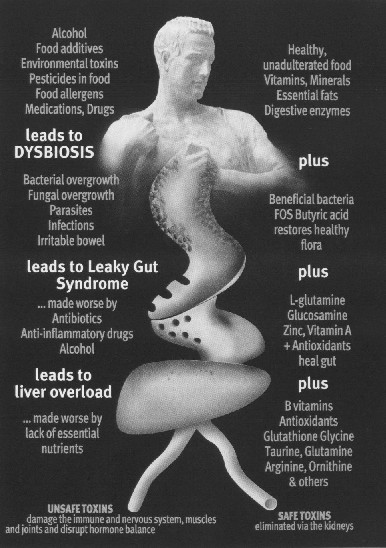
Understanding Diseases/Leaky Gut Syndrome

Your Intestinal Lining
The lining of your intestines plays a crucial role in your health, in part as a barrier that keeps undigested food particles, waste, and bacteria from entering your bloodstream. In leaky gut syndrome, or hyperpermeability, this lining gets inflamed and irritated, which compromises its ability to serve as a barrier, and also reduces its ability to properly reabsorb water.
Autoimmunity
When this damage due to inflammation occurs, the lining "leaks" and enables toxins and bacteria to enter your bloodstream. These leaked substances are not normally present in your blood and do not belong there, so your body responds with an autoimmune reaction to what it perceives as invaders, meaning that your immune system launches an attack on your own body. A variety of symptoms can result, including excessive gas and bloating, cramps, and sometimes more serious disorders such as fibromyalgia.
Immune Exhaustion
As a result of accumulating toxins, immune exhaustion can occur from your immune system working overtime to combat the continuous influx of foreign material from your leaking gut. One reason this happens is that nearly three quarters of your immune system resides near or in your digestive tract, which tells you just how important your GI tract is.
Opportunistic Infection
Another consequence of this leakage is that bacteria can become overly abundant in your bloodstream, which subjects you to a greater likelihood of opportunistic infections. Normally, you would not be susceptible to these infections, but the weakened state of your immune system due to leaky gut syndrome makes you less able to fight them off. This again can lead to more serious conditions, like septicemia.
Adrenal Fatigue
Hyperpermeability can also lead to adrenal exhaustion. Your adrenals are two small glands situated in close proximity to your kidneys that release hormones responsible for your ability to cope with stress (particularly cortisol), as well as directly affecting the functioning of your kidneys through the release of aldosterone. Over time, your leaking gut impedes the ability of these important glands to properly do their job.
Fatigue And Stress
In the early stages of LGS, there is no measurable difference in adrenal output, which can be determined by measuring your cortisol levels. However, as the syndrome progresses, your cortisol levels drop and you are said to be suffering from adrenal exhaustion. Once this happens, you may experience fatigue, excessive craving for sleep, insomnia, and dependence on caffeine and high-calorie snacks to keep you going.
Natural Healing
In summary, leaky gut syndrome can lead to a variety of other symptoms by allowing toxins and bacteria that shouldn't be there into your bloodstream, precipitating an autoimmune response, allowing opportunistic infection, and inducing adrenal fatigue. Fortunately, while there is no simple clinical test that will determine that you definitively suffer from this condition, a range of secondary symptoms are indicative to the attuned health care practitioner - and more importantly, it is completely treatable in a natural, healthy way.
If you suspect you may be afflicted with this condition, don't lose hope! An abundance of information is available to help you determine whether or not hyperpermeability is your problem and exactly what steps you can take to allow your body to heal itself. Don't hesitate to see a natural health care professional and begin down the road to feeling better.

»»  read more

21 Aug 2011

Understanding Diseases/ Osteoarthritis, its symptoms & treatment


Osteoarthritis, sometimes referred to as known as degenerative arthritis, is a form of arthritis that affects heavy weight bearing joints such as the knees and hips. It is caused by the breakdown and loss of cartilage within the joints. We need cartilage in our joints to help cushion the bones. known as degenerative arthritis. Osteoarthritis is a naturally occurring condition which commonly occurs the more we age. Of all the types of arthritis, osteoarthritis is the most common.
Osteoarthritis, or OA as its is sometimes known as, mostly affects the hands, feet, spine, and other large weight bearing joints, such as the hips and knees. There are two types of osteoarthritis, primary and secondary. Primary OA is when there is no known cause, in most cases being put down to age. Secondary OA is when the cause of the condition has been identified, usually relating to another disease or condition such as obesity or diabetes.
diagrammatic presentation of osteoarthritis
Osteoarthritis Symptoms
Unlike other types of arthritis, the only prominent symptom of OA is pain. There can often be swelling and stiffness caused by movement and in more severe cases can be present even with minimal amounts of movement. The condition can also cause bones to develop and enlarge within the hands, causing what's known as a Heberden's node to form at the end of the fingers. Other nodes, such as Bouchard's node, can also develop in the middle joints of the fingers
Osteoarthritis Treatment
There is a wide range of osteoarthritis treatment available which help counter act the symptoms of OA, that range from exercise, to pain relief drugs and new innovative treatments.
The easiest method of treatment is exercise and lifestyle. Maintaining a healthy diet and exercise regime can dramatically lower the chances of developing osteoarthritis. Exercise helps improve and develop muscle around the joints which help add support to the bone joints. Popular exercises include swimming, cycling and walking.
Mild sufferers of OA may find that pain killers such as aspirin and Tylenol are sufficient enough treatments to help relieve the pain.
New treatments of osteoarthritis include the anti-inflammatory lotion, Voltaren Gel and the Flector Patch which are being used as treatments for pain relief.
Sometimes your doctor may suggest surgery if they feel it will help. If surgery is not a compatible option they may refer the patient for hyaluronic acid injections. These can be extremely effective in their treatment of Osteoarthritis.
The Future of Osteoarthritis
There has been a great advance in arthritic treatments in the past decade and this doesn't seem set to stop. Osteoarthritis is an extremely common condition and scientists are always on the lookout for more innovative and successful treatments to help battle, prevent and cure the condition. Recently researchers have found that doxycycline, a tetracycline drug, has been shown to slow the progression of cartilage degeneration in the knees of patients with OA. More studies are needed to determine the importance of this discovery, but this is can be viewed as an exciting advancement and a step in the right direction.
»»  read more
Related Posts .